


Sandwich Panel Manufacturers in Turkey: Quality Standards and Choosing the Right Supplier
Sandwich Panel Manufacturers in Turkey: Quality Standards and Choosing the Right Supplier
"Discover the quality criteria, certifications, and supplier selection guidelines you need to know when choosing among sandwich panel manufacturers in Turkey."
Choosing the right supplier among sandwich panel manufacturers in Turkey directly affects both the budget and the long-term performance of a construction project. Before deciding which manufacturer to work with, understanding the industry-recognized criteria and certifications allows you to base your decision on technical facts rather than intuition.
Overview of Sandwich Panel Manufacturing in Turkey
Thanks to its strategic geographical location, Turkey has a strong sandwich panel industry serving both the domestic market and export destinations across the Middle East, the Balkans, and Central Asia. Manufacturing facilities are particularly concentrated in the Marmara, Central Anatolia, and Western Black Sea regions, producing roof, wall, and cold storage panels for industrial buildings, cold storage facilities, and commercial structures.
Within this competitive market, selecting a manufacturer that can provide quality, competitive pricing, and reliable delivery at the same time has become a critical process for project managers, procurement professionals, and architects.
5 Questions to Ask When Choosing a Sandwich Panel Manufacturer
1. Does the Manufacturer Have EN 14509 Certification?
In Turkey, one of the fundamental benchmarks for sandwich panel quality is the EN 14509 standard. This certification demonstrates that the manufacturer's panels have been verified through independent testing and that production is managed to maintain consistent performance across every production batch.
Manufacturers certified according to EN 14509 are subject to periodic factory inspections by TSE, during which product performance records and manufacturing systems are reviewed on-site. This process makes certification more than simply a document; it becomes an continuously monitored and renewed quality assurance mechanism.
Working with EN 14509-certified manufacturers also helps ensure technical compliance for public-sector projects and internationally certified buildings pursuing standards such as BREEAM, LEED, and DGNB.
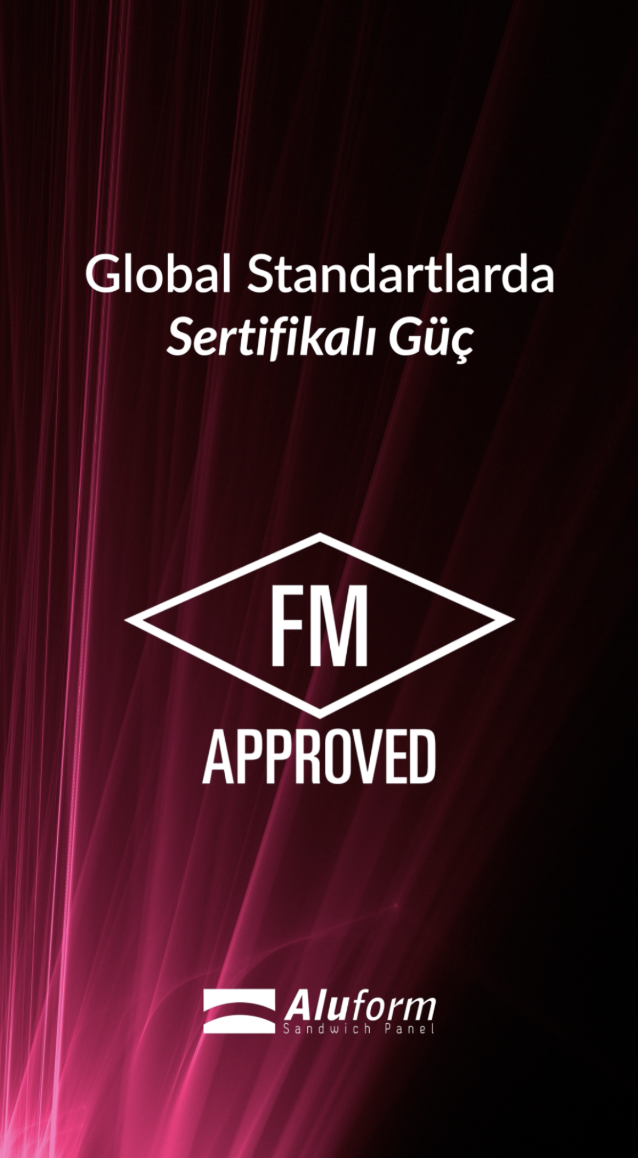
We secure our manufacturing approach through international standards and regard quality not merely as a target, but as an ongoing responsibility. Our panels are supported by EN 14509 certification, while FM certification can also be obtained separately depending on project requirements.
2. What Is the Manufacturing Capacity and Production Continuity?
For large-scale projects, a manufacturer's production capacity directly affects delivery planning. A facility capable of managing millions of square meters of annual capacity through a single production line can maintain production discipline and quality control within a centralized system.
Production continuity is equally important, particularly for projects requiring large quantities to be delivered in multiple phases.
3. Is the Product Range Broad Enough?
The roof, façade, and cold storage areas of a facility may require different types of sandwich panels.
PIR- and PUR-insulated roof panels, mineral wool façade panels, and hygienic cold storage panels all have different technical characteristics.
Sourcing all these products from a single manufacturer can:
- Simplify logistics,
- Improve quality consistency,
- Ensure better compatibility between products,
- Make project coordination easier.
4. What About International References and Certifications?
An ISO 9001 Quality Management System, CE marking, and international project references demonstrate a manufacturer's technical capabilities beyond the domestic market.
Turkish manufacturers supplying products to European markets are required to operate under stricter technical and quality-control standards. This experience also contributes to a stronger production discipline for products supplied to the domestic market.
5. Is Technical Support and After-Sales Service Available?
Choosing sandwich panels is not limited to purchasing and delivering the product.
Correct installation details, proper application of joint accessories, and long-term maintenance guidance help preserve panel performance throughout the service life of the building.
For this reason, the support chain offered by a manufacturer—including installation guidance, after-sales service, and long-term maintenance support—should be considered just as important as the quality of the product itself.
Sandwich Panel Types Manufactured in Turkey and Their Applications
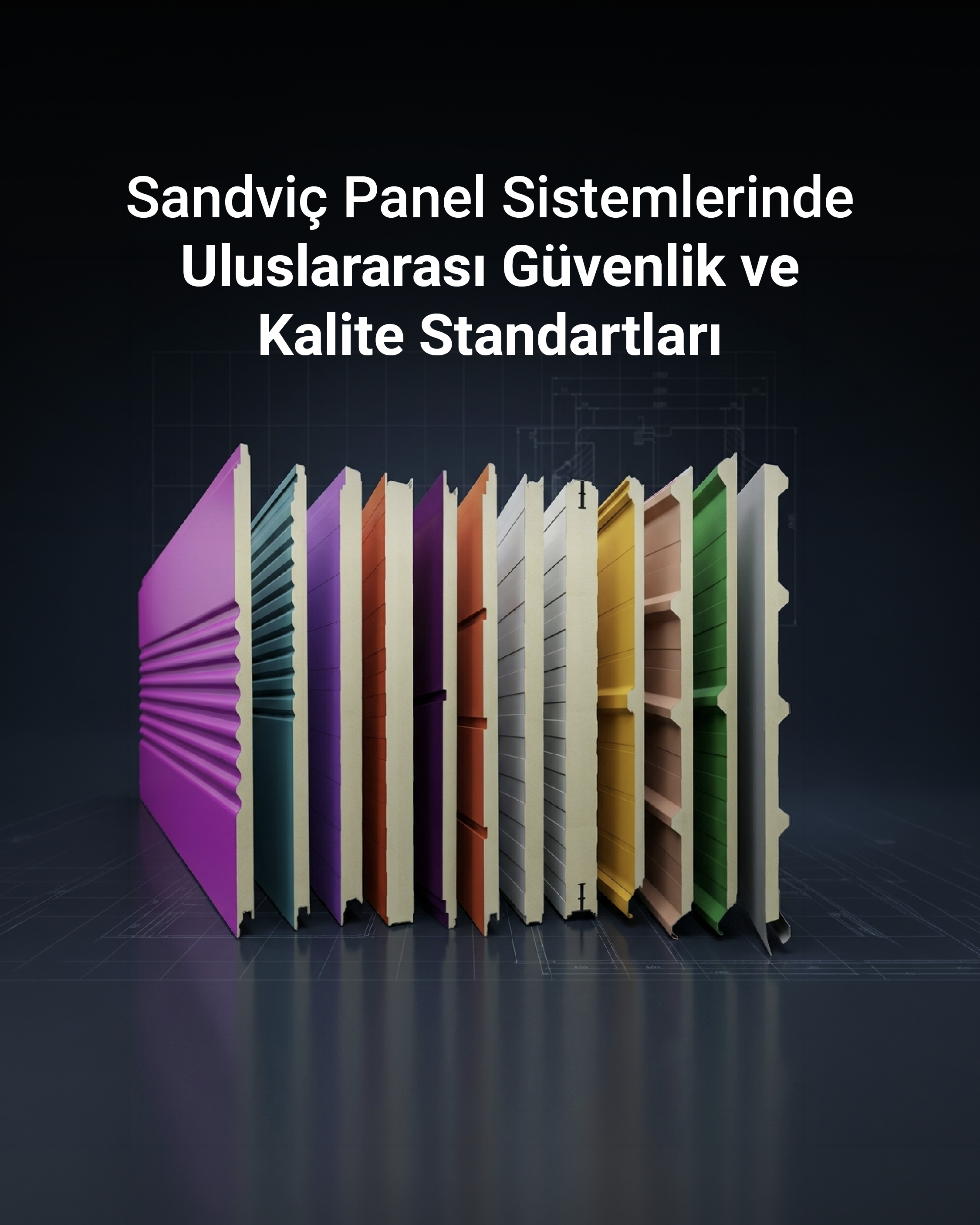
Sandwich panel manufacturers in Turkey generally operate across four main insulation categories:
Polyurethane (PUR) Insulated Panels
PUR panels are among the most widely manufactured and commonly preferred sandwich panel types in Turkey. They provide high thermal insulation performance, low weight, and good mechanical strength.
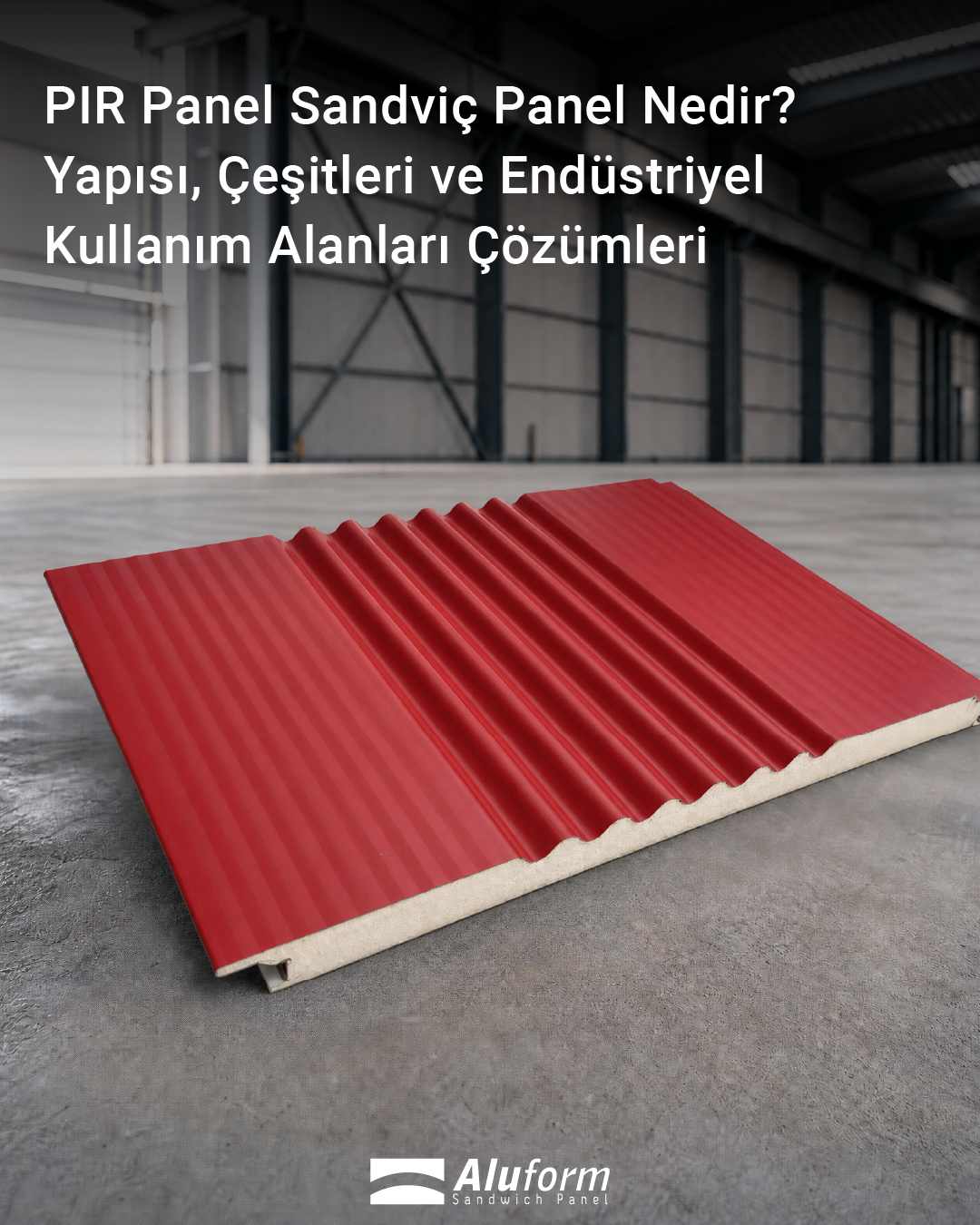
Polyisocyanurate (PIR) Insulated Panels
PIR is an enhanced form of PUR insulation. Thanks to its improved fire performance and lower smoke generation, it is frequently preferred in industrial facilities and projects where fire safety is a priority.
Mineral Wool Insulated Panels
Mineral wool is manufactured from inorganic rock-based materials. Due to its high fire resistance, it is commonly used in buildings with increased fire-safety requirements and facilities requiring strong acoustic insulation performance.
EPS (Expanded Polystyrene) Insulated Panels
EPS is an economical and lightweight insulation option. It is generally preferred for cost-sensitive temporary structures, construction-site buildings, and certain prefabricated building systems.
Roof Panels
Roof panels are available with PUR, PIR, and mineral wool insulation cores and are widely used in industrial facilities, warehouses, sports facilities, and commercial buildings.
The primary performance criteria for roof panels include:
- Load-bearing capacity,
- Watertightness,
- Thermal insulation performance.
Wall and Façade Panels
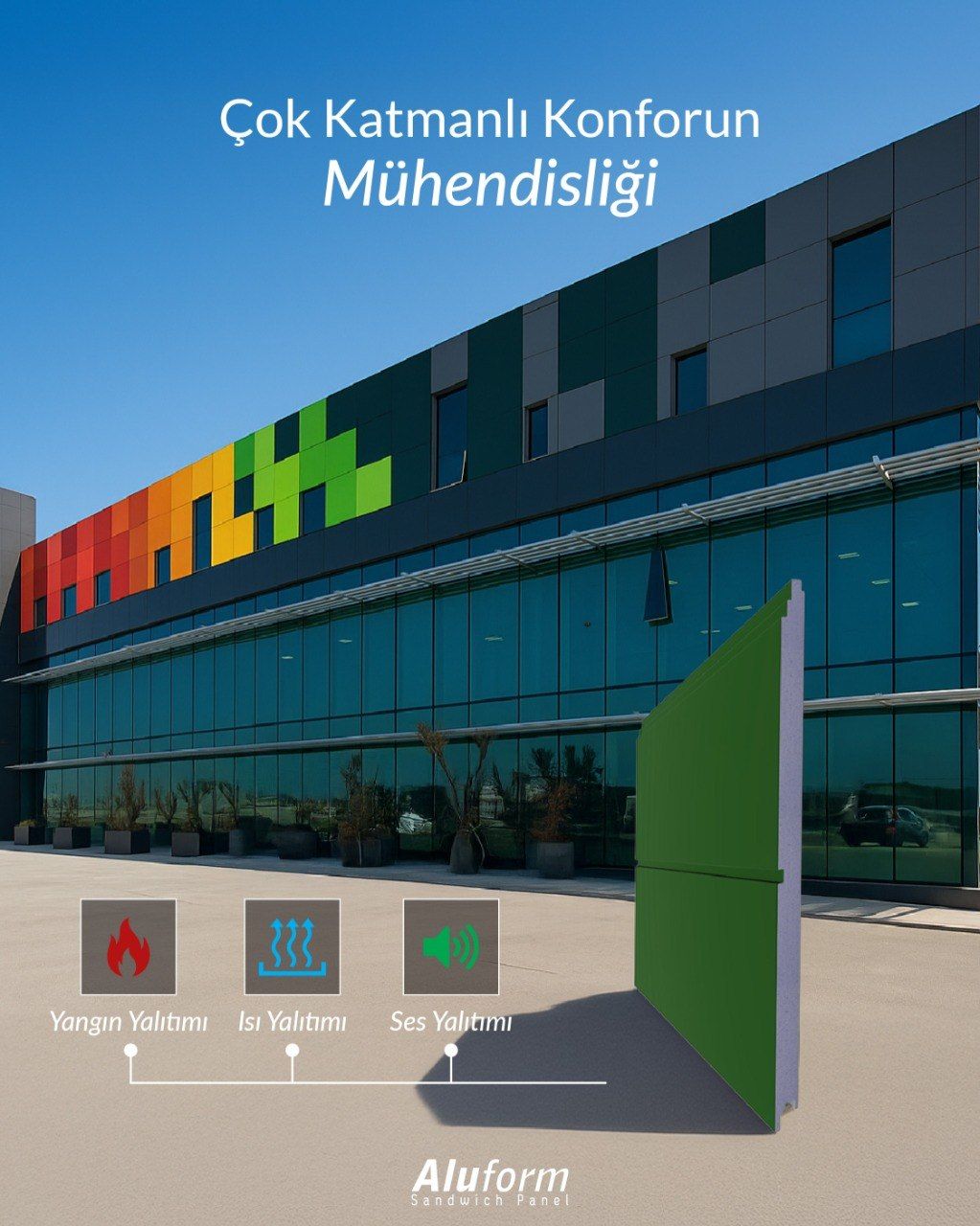
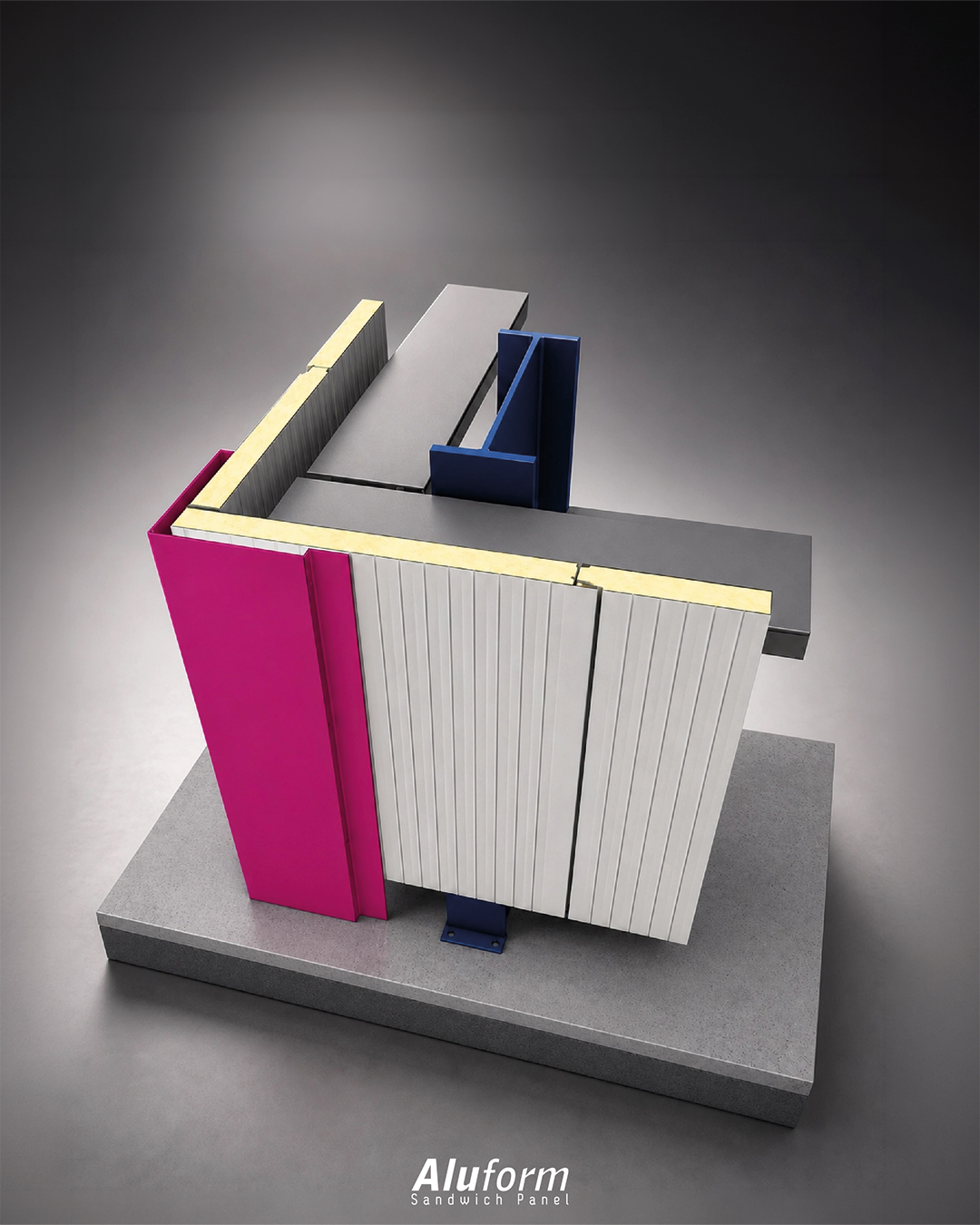
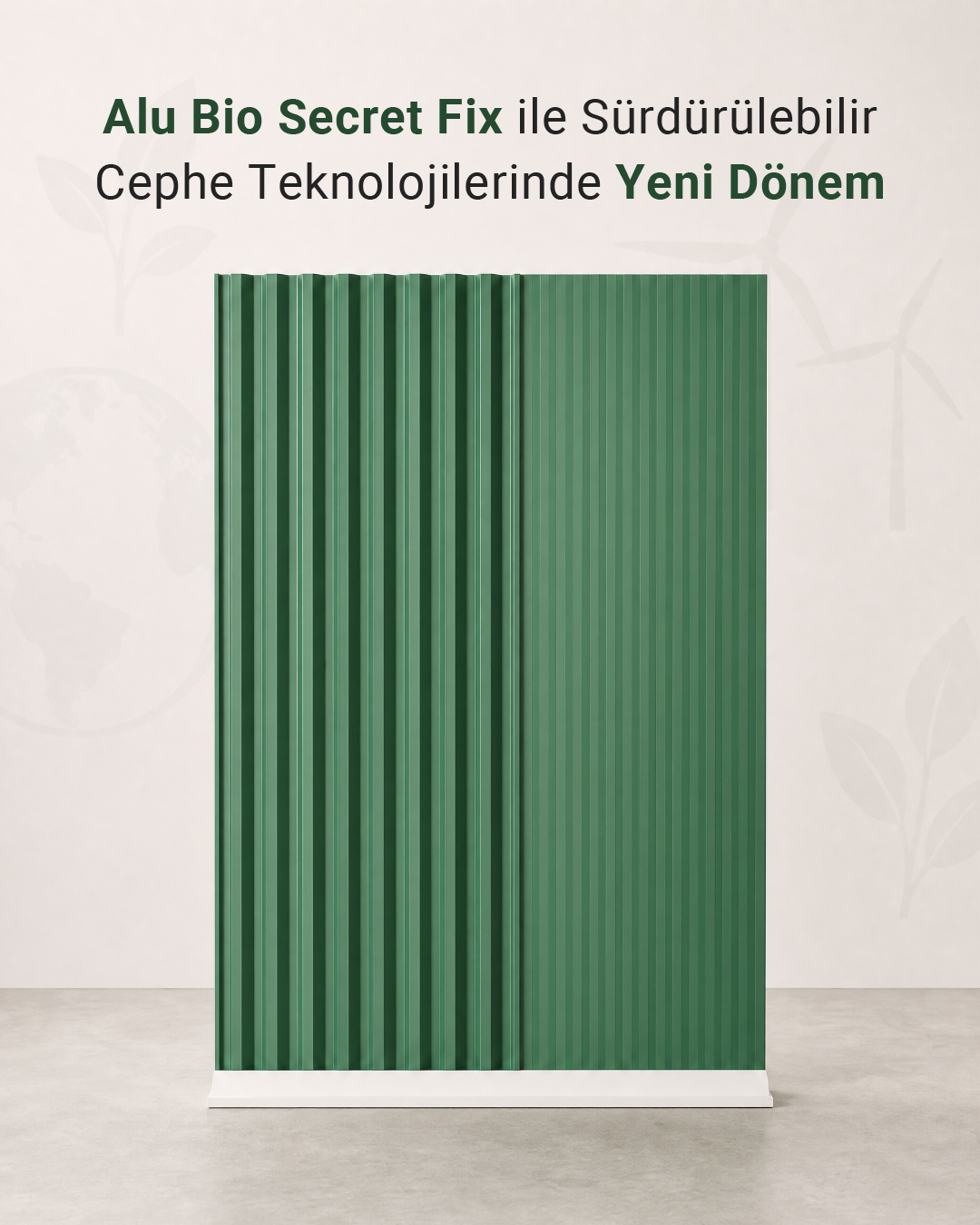
Wall and façade panels manufactured with concealed fastening or interlocking systems are evaluated based on architectural appearance, thermal insulation performance, and resistance to wind loads.
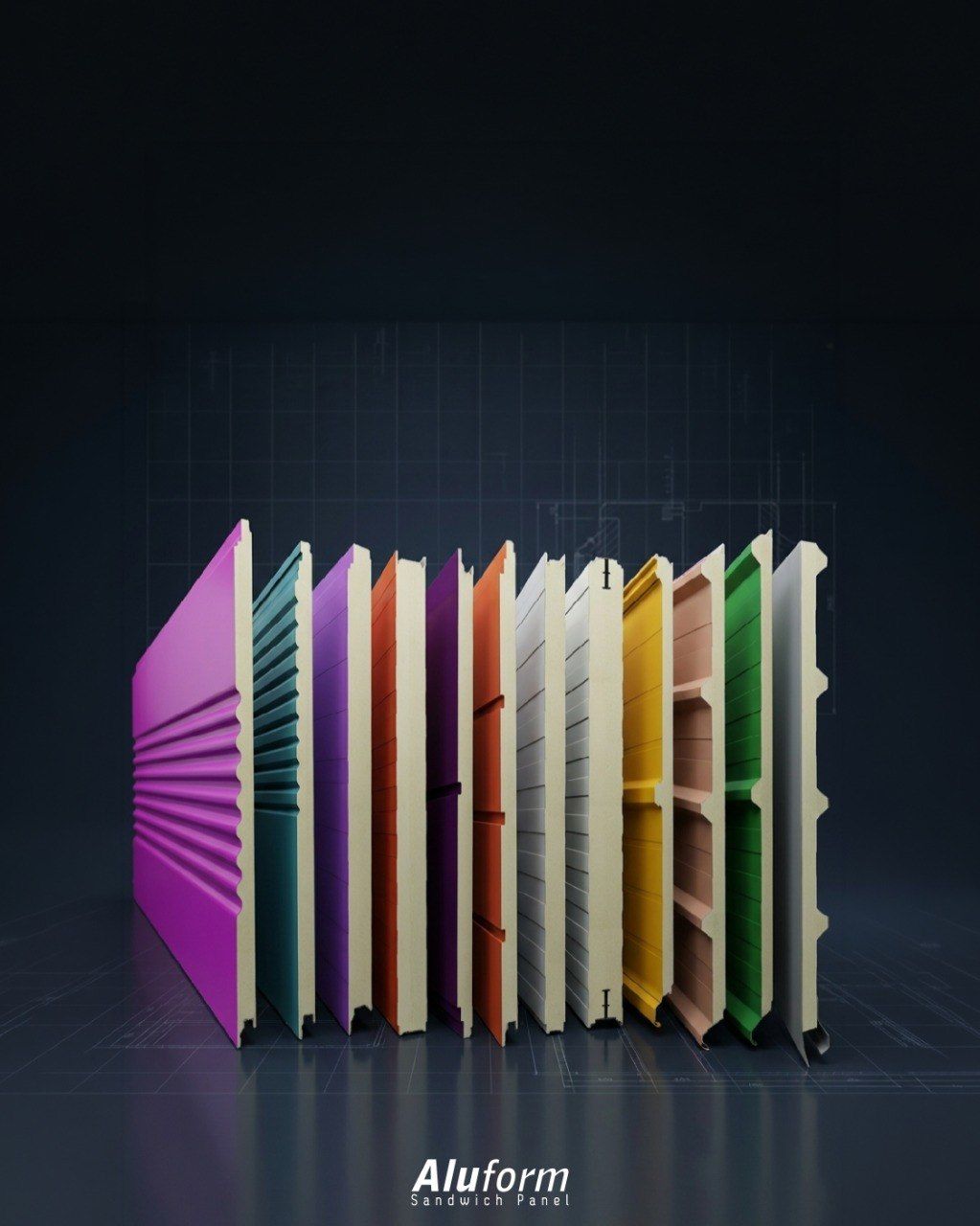
A broad selection of RAL colours and surface profiles also provides architects with greater design flexibility.
Cold Storage Panels
Cold storage panels are designed to meet the demanding insulation requirements of the food, pharmaceutical, and chemical industries.
They stand out due to their:
- Hygienic surface properties,
- Low thermal conductivity,
- High insulation performance,
- Suitability for controlled-temperature environments.
Balancing Quality and Price: What Should You Consider?
Focusing solely on the price per square meter when purchasing sandwich panels may result in significantly higher costs over the long term.
If a lower-quality panel provides insufficient thermal performance, energy costs may increase, periodic maintenance expenses may rise, and the overall service life of the building envelope may be shortened.
For an accurate comparison, the following factors should be evaluated together:
- Panel thickness,
- Insulation core density,
- Metal sheet thickness (mm),
- Fire classification,
- Warranty period.
The lowest initial price does not always represent the lowest total cost over the life of the building.
Manufacturer Location and Logistics Advantages
Manufacturers operating in different regions of Turkey can offer significant logistical advantages depending on the location of the project.
Factories located in industrial centres such as Düzce, which benefits from strong highway connections, can provide fast and cost-effective deliveries to the Marmara, Central Anatolia, and Black Sea regions.
Aluform, operating under Pekintaş Aluminium, provides uninterrupted service from its manufacturing facility in Düzce to projects throughout Turkey, while also serving the Balkans and European markets through its manufacturing facility in Macedonia.
Frequently Asked Questions
What is the most important criterion when choosing a sandwich panel manufacturer in Turkey?
EN 14509 certification is one of the primary indicators of a manufacturer's technical reliability. In addition, production capacity, breadth of product range, technical support, and after-sales service capabilities should also be evaluated.
Is CE marking sufficient when purchasing sandwich panels?
CE marking is required for compliance with the European market; however, TSE EN 14509 certification is a key reference standard for projects in Turkey. Manufacturers holding both certifications offer a broader level of documented quality compliance.
Why is a manufacturer's production capacity important?
For large-scale projects, delivery schedules depend heavily on manufacturing capacity. Insufficient capacity can cause project delays and may also lead to differences between production batches.
Does it make sense to purchase different panel types from the same manufacturer?
Yes. It is generally beneficial in terms of both cost and quality consistency.
Sourcing roof, wall, façade, and cold storage panels from a single manufacturer improves compatibility between connection details and simplifies logistics and project coordination.
How long should a sandwich panel warranty be?
Some manufacturers in the industry offer warranties of up to 10 years for galvanized coatings and paint systems, depending on product specifications and environmental conditions.
Warranty coverage and conditions should always be confirmed in writing within the supply contract.
For more information about Aluform sandwich panels and project-specific solutions, visit aluform.com.tr or contact our technical team.
Aluform Pekintaş


Follow Us