


The Role of Sandwich Panel Systems in Sustainable Buildings
The Role of Sandwich Panel Systems in Sustainable Buildings
"Today, sustainability in the construction industry is no longer just a trend. It has become an essential transformation driven by the need for energy efficiency, reduced carbon emissions, and long-lasting building solutions. In this context, sandwich panel systems provide an effective solution for environmentally responsible, high-performance buildings."
What Is a Sustainable Building?
Sustainable buildings are designed to minimize environmental impact throughout their entire lifecycle, from design and construction to operation and end-of-life. They prioritize energy efficiency, optimize resource consumption, and incorporate materials that are evaluated for their environmental performance.
Thanks to their technical advantages, sandwich panel systems make a significant contribution to sustainable building practices.
Contribution to Energy Efficiency
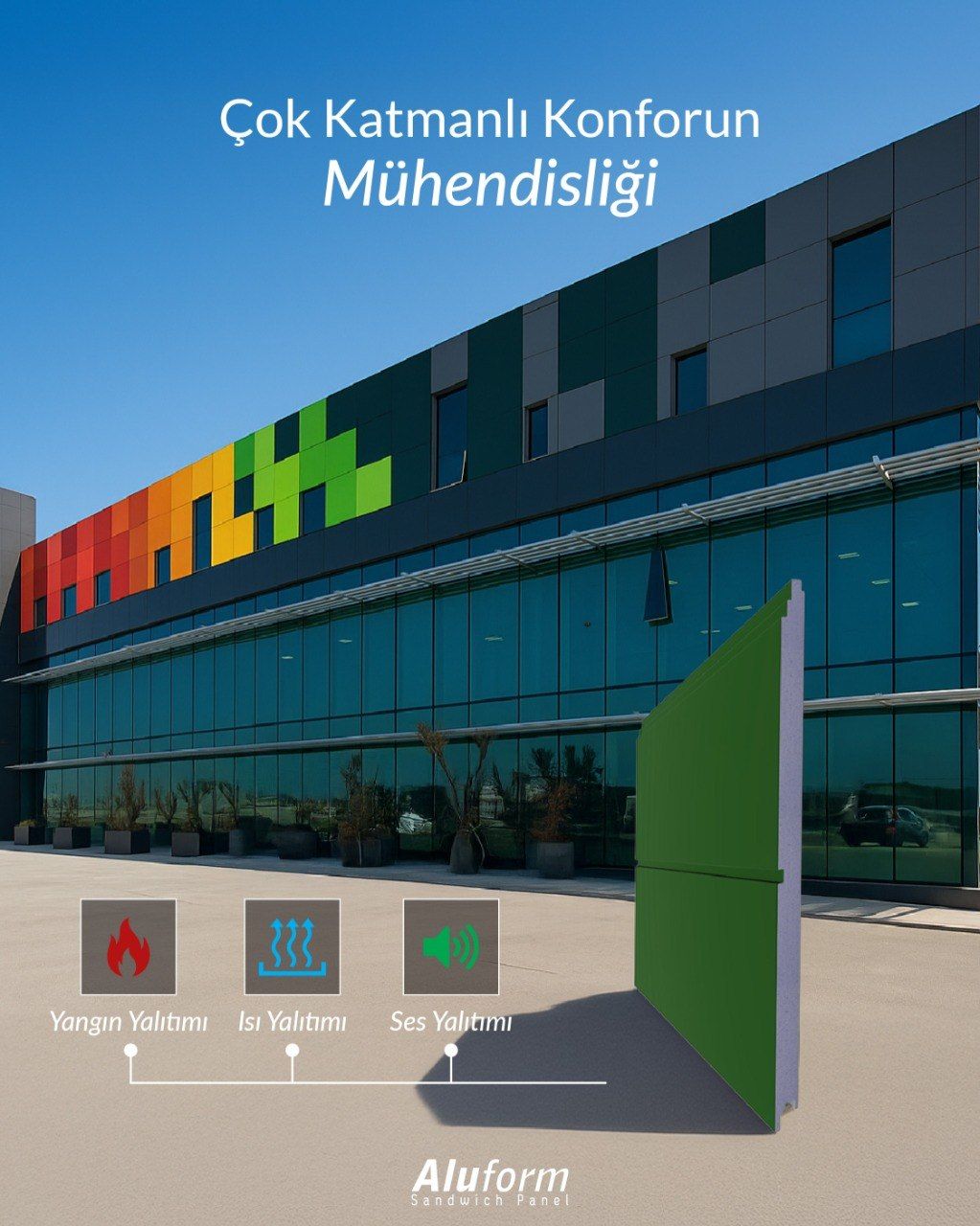
One of the greatest advantages of sandwich panel systems is their superior thermal insulation performance. Panels with low U-values minimize heat transfer, helping to maintain stable indoor temperatures.
As a result, they:
-
Reduce heating and cooling requirements
-
Lower overall energy consumption
-
Decrease fossil fuel usage and associated environmental impacts
Energy efficiency is one of the fundamental pillars of sustainable construction, and sandwich panels play a vital role in achieving it.
Reducing Carbon Footprint
The production and operation of buildings have a direct impact on carbon emissions. Thanks to their excellent insulation performance, sandwich panels reduce the amount of energy required to operate a building efficiently.
This leads to:
-
Lower carbon emissions
-
Reduced environmental impact
-
A more sustainable operational lifecycle
In addition, the lightweight structure of sandwich panels contributes to lower energy consumption during transportation and installation.
Long-Lasting and Durable Building Solutions
Sustainability extends beyond energy efficiency. The durability and lifespan of building materials are equally important in reducing resource consumption over time.
Sandwich panels offer:
-
Corrosion-resistant surface coatings
-
High resistance to external environmental conditions
-
Low maintenance requirements
These features enable the panels to maintain their performance for many years, reducing the need for replacement and optimizing the use of natural resources.
Waste Management and Resource Efficiency
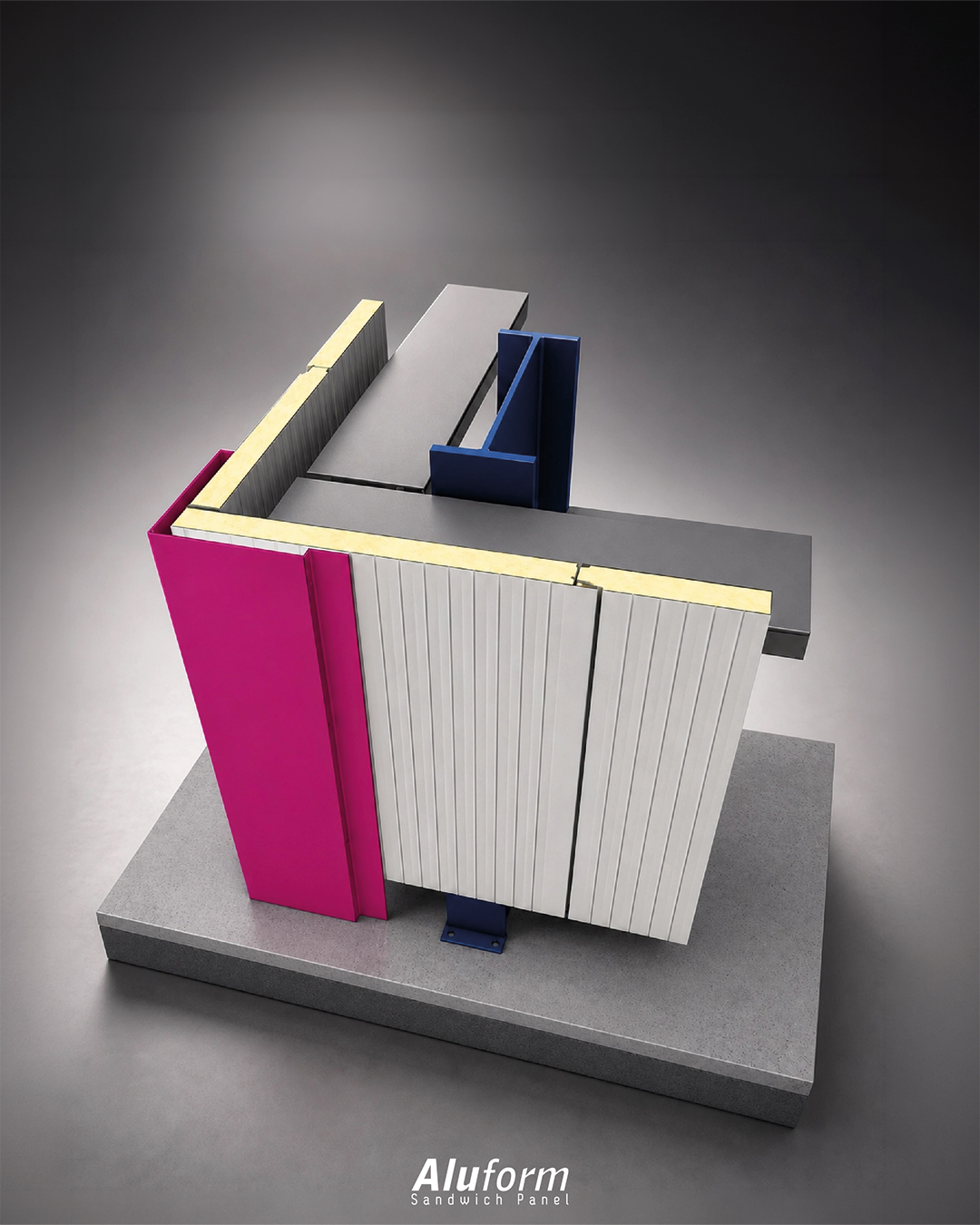
Sandwich panel systems are designed to minimize material waste during both manufacturing and installation. Their prefabricated production process significantly reduces material loss on construction sites.
Furthermore, their modular design allows them to:
-
Be dismantled and reused when necessary
-
Facilitate future building expansions or modifications
These characteristics support circular economy principles by extending the lifecycle of building materials.
Supporting Green Building Certifications
Green building certification systems such as LEED evaluate projects based on criteria including energy efficiency, material selection, and environmental performance. With their high insulation performance and long service life, sandwich panels help projects meet these sustainability requirements.
As a result, they contribute to compliance with internationally recognized green building standards.
A Reliable Sustainable Building Solution: Aluform
Choosing the right construction materials is just as important as selecting the right manufacturing partner when developing sustainable buildings. With its commitment to high-quality production standards, energy-efficient product development, and durable building solutions, Aluform is a trusted partner for environmentally responsible construction projects.
Aluform's sandwich panel systems combine low energy consumption, outstanding durability, and long-term sustainable performance, delivering added value to green building projects. This integrated approach provides an optimal balance between environmental responsibility and economic efficiency.
The buildings of the future must be not only structurally sound but also environmentally responsible. Sandwich panel systems play a crucial role in this transformation by supporting sustainable construction with superior energy performance, durability, and resource efficiency.
Aluform Pekintaş
Follow Us