


What Is a Facade Panel? Balancing Performance and Aesthetics in Architectural Design
What Is a Facade Panel? Balancing Performance and Aesthetics in Architectural Design
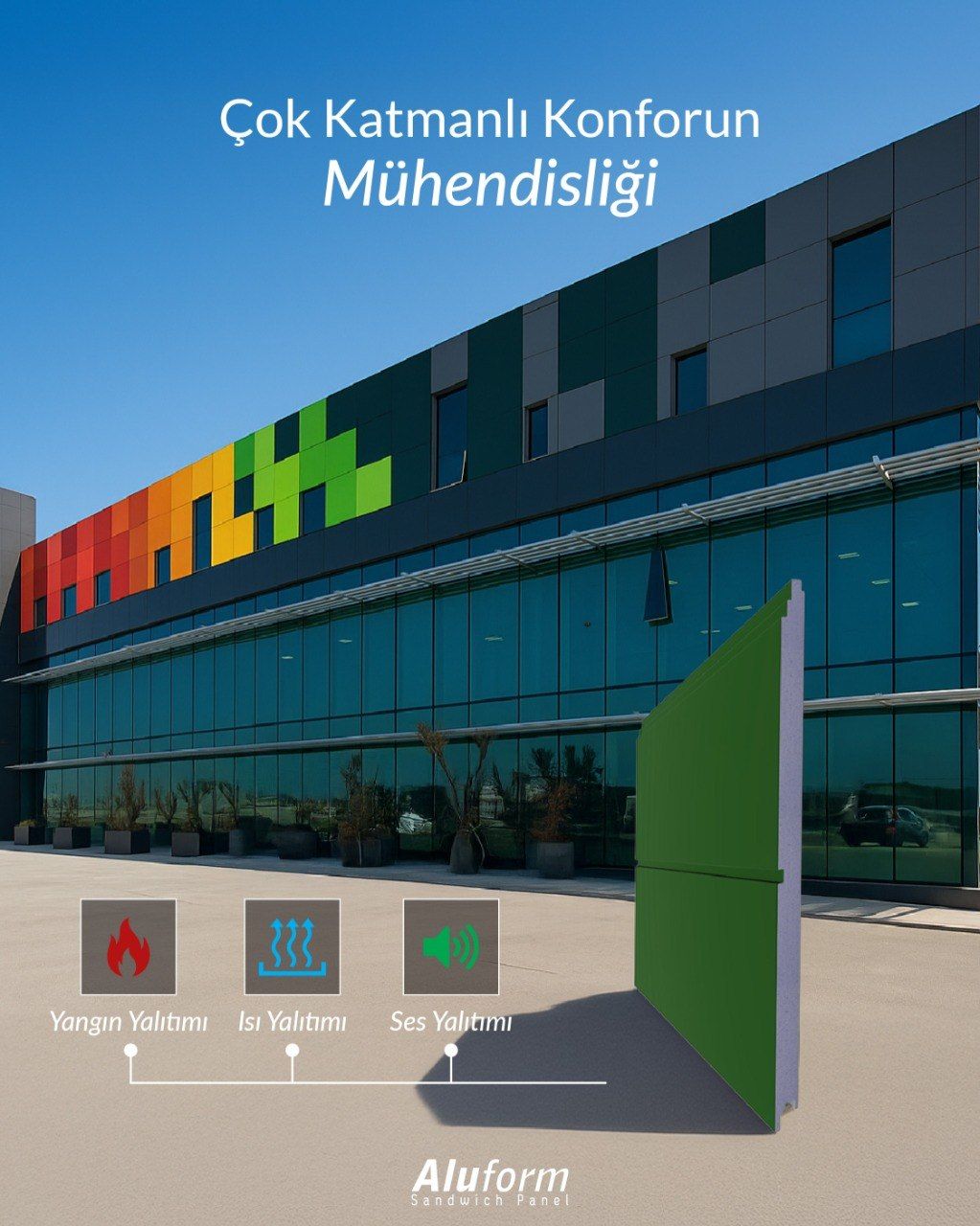
"A facade panel is a building component that covers a structure’s exterior walls, combining thermal insulation, watertightness, wind load resistance, and architectural identity within a single system. Used across a wide range of applications—from industrial facilities and commercial buildings to sports facilities and office complexes—facade panel systems have become an integral part of modern building design."
What Is a Facade Panel and How Does It Work?
A facade panel is a member of the sandwich panel family, specifically developed for wall applications. Consisting of an insulating core between two metal sheets, this system forms a protective envelope against structural loads and environmental exposure.
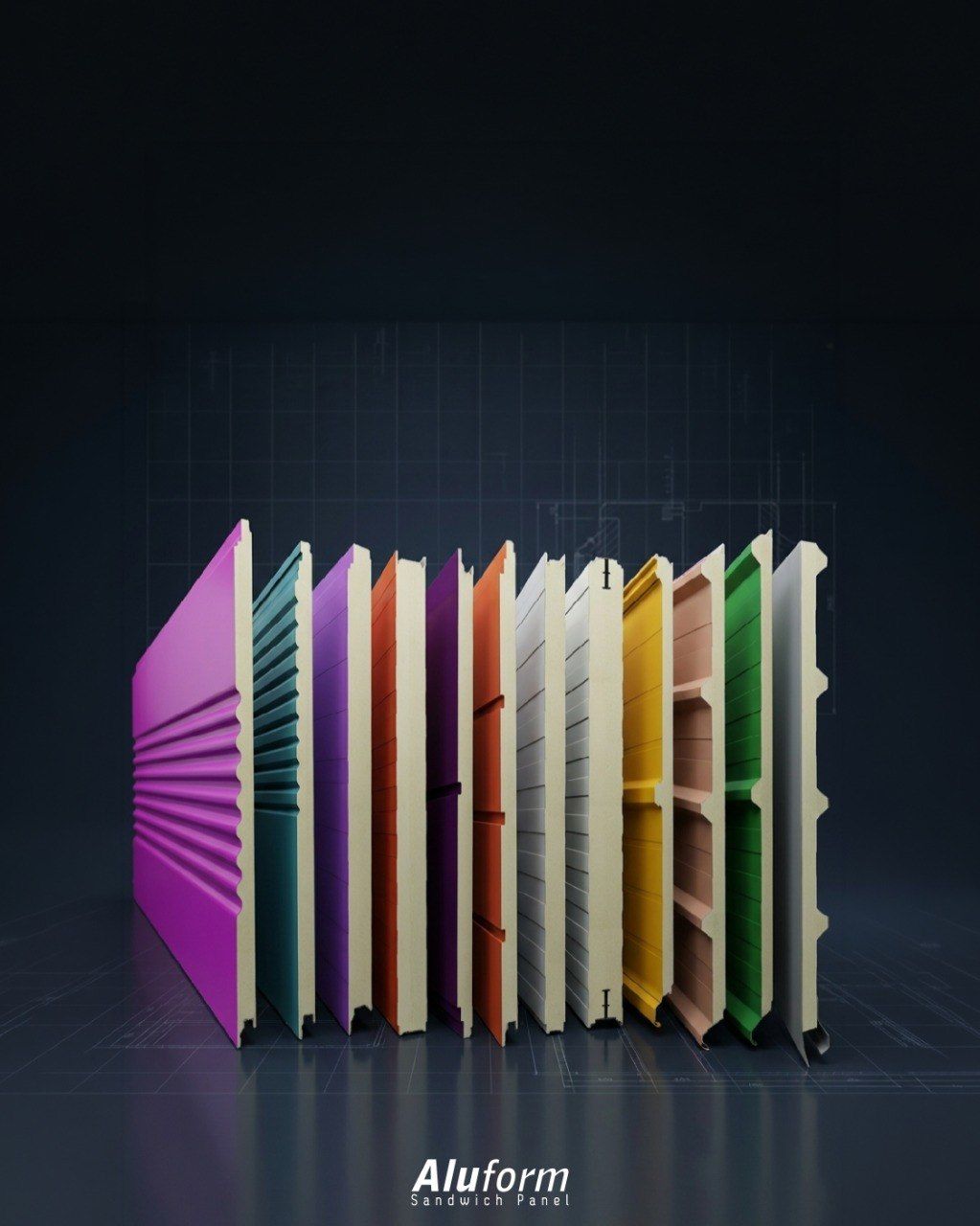
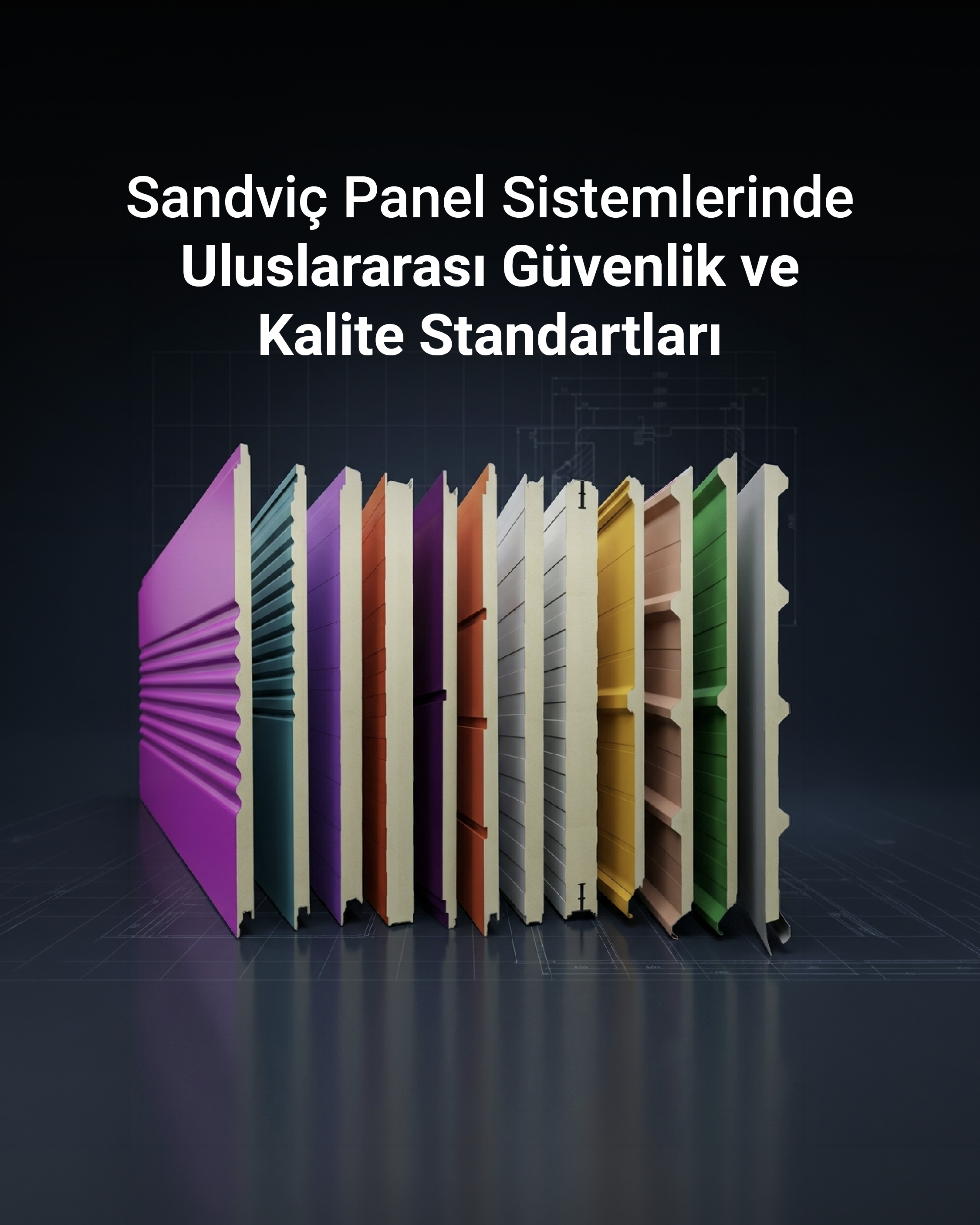
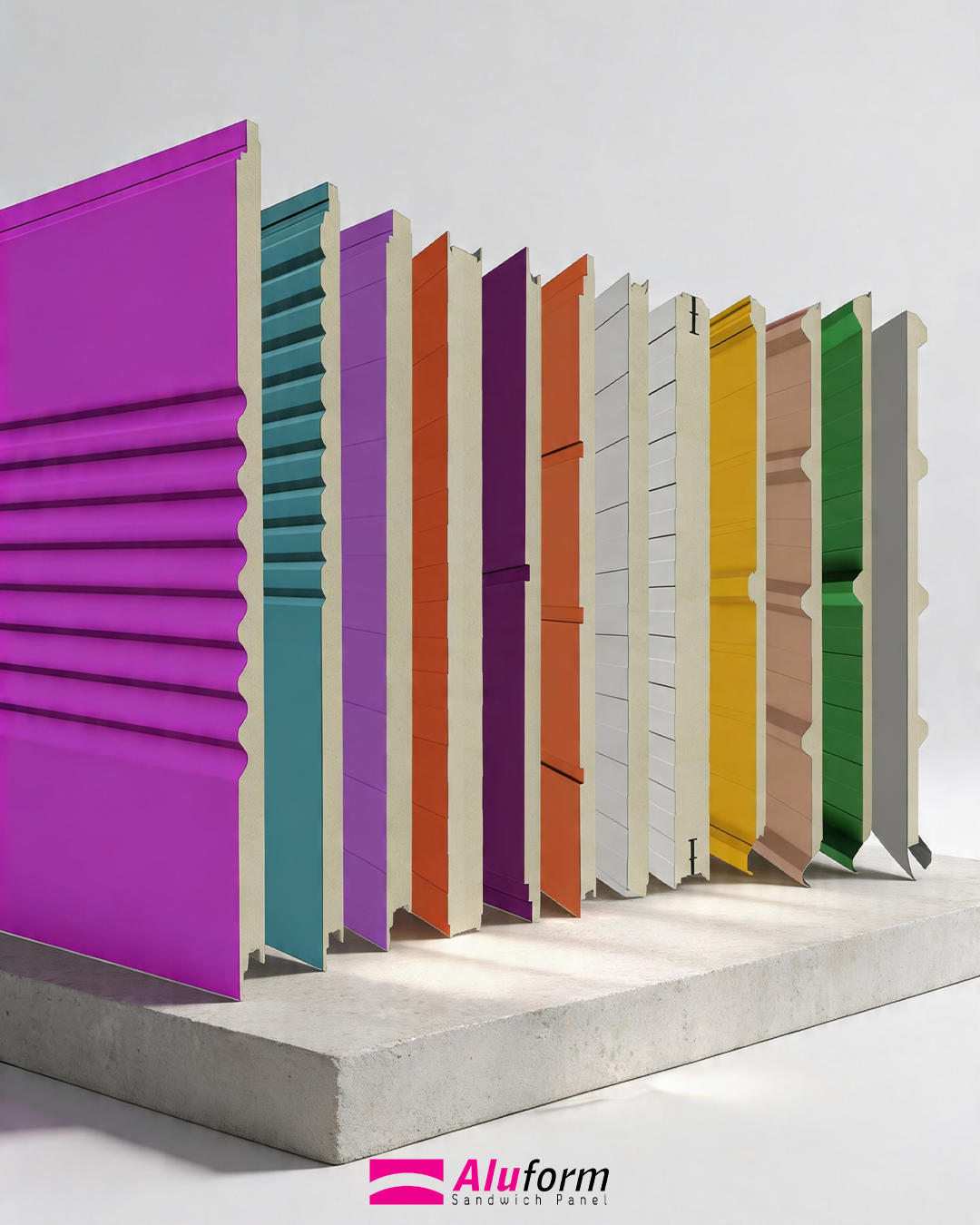
The main difference between facade panels and roof panels lies in their profile geometry. Facade panels contribute to architectural design through various appearance options, including flat, micro-ribbed, standard, and custom geometric surfaces.
Our facade panels give buildings character through aesthetic lines that complement the architectural design, while their high strength creates a safe and durable building envelope.
Types of Facade Panels
Interlocking Facade Panels
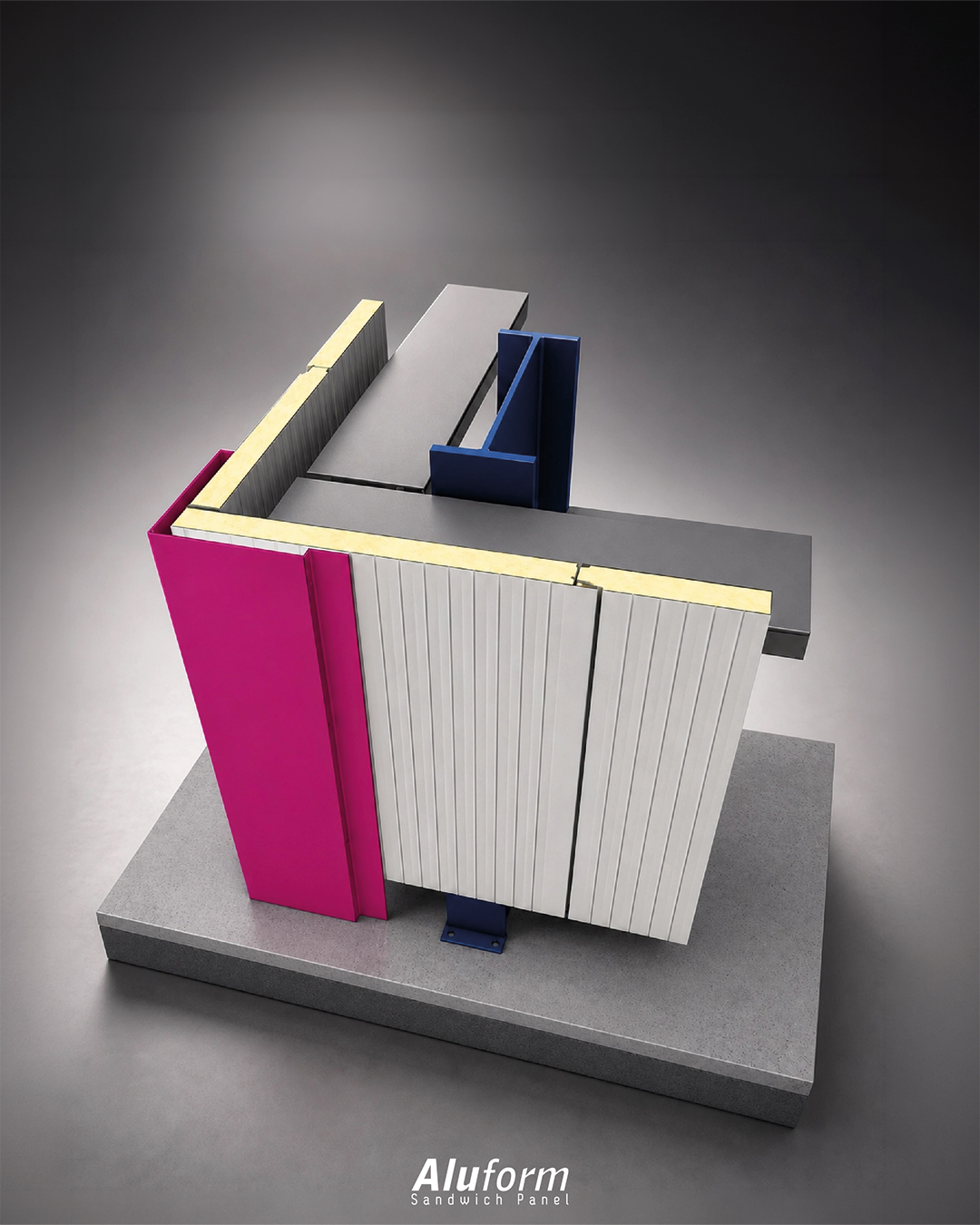
These sandwich panels feature a specially designed interlocking joint that completely conceals installation screws and fasteners from external view.
While screws remain visible on conventional facade panels, each panel in an interlocking system covers the fastening point of the next. This creates a seamless, contemporary, and architecturally appealing exterior.
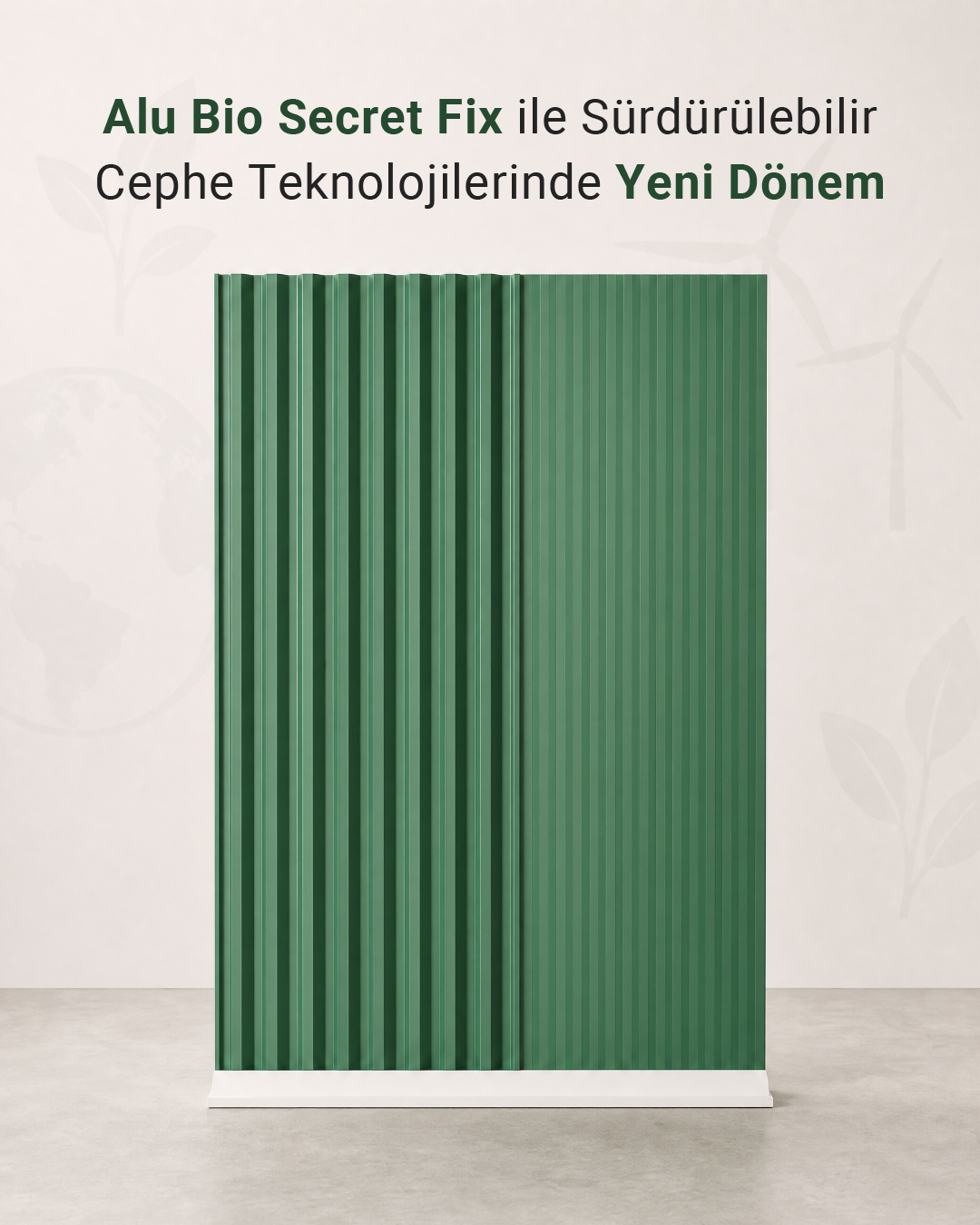
Concealed-Fix (Secretfix) Facade Panels
In this system, panels are connected through a special interlocking mechanism that completely conceals the screws. The uninterrupted surface creates a clean, modern architectural appearance. Minimised joints provide enhanced resistance to water and air infiltration.
Our interlocking panel systems simplify installation while strengthening structural integrity. Their specially designed joint geometry provides a high level of sealing at panel connections, minimising water and air permeability.
Technical Performance Criteria for Facade Panels
Thermal Insulation
After the roof, exterior walls are among the most critical areas of heat loss in a building. A facade panel’s U-value, or thermal transmittance, directly affects the building’s annual energy consumption. As panel thickness increases, the U-value decreases and insulation performance improves.
Our advanced joint systems and high-density insulation cores eliminate thermal bridges, maintaining indoor temperatures while minimising the effects of outdoor conditions.
Wind Load Resistance
Facade panels must provide calculated resistance to wind suction and pressure, which vary according to building height and geographical location. Panel thickness, fastener spacing, and connection details to the supporting structure determine this performance.
Sound Insulation
Mineral wool core facade panels provide sound insulation that limits the transmission of factory noise to the outside and environmental noise into the building. The Alurockwool series offers a minimum sound reduction rating in the range of 25–30 dB.
Selecting Facade Panels for Aesthetic Appeal
The visual impact of facade panels contributes to a project’s value just as much as their technical performance. We provide aesthetic variety through different surface geometries and coating options while enhancing panel performance.
RAL colour options: An extensive RAL colour palette allows architects to bring their colour choices to life during production. When selecting darker colours, surface temperatures should be considered to determine the appropriate panel length and surface profile.
Surface profile variety: Flat surfaces, micro-ribbing, and various embossed profiles help define a building’s visual identity. With different surface forms and coating options, our facade panels offer architectural freedom for every project.
Facade Panel Applications
-
Industrial buildings: Factories, warehouses, and logistics centres.
-
Commercial buildings: Shopping centres, showrooms, and office buildings.
-
Sports facilities: Stadiums, sports halls, and swimming pools.
-
Public buildings: Hospitals, schools, and cultural centres.
-
Agricultural buildings: Greenhouses, livestock buildings, and cold storage facilities.
Frequently Asked Questions
Are facade panels and wall panels the same thing?
Yes. Both terms refer to the same product group: sandwich panel systems specifically developed for wall applications.
What sound insulation performance do facade panels provide?
Mineral wool core facade panels offer a minimum sound reduction rating in the range of 25–30 dB. For applications requiring higher levels of sound insulation, customised solutions can be developed based on core density and thickness.
How long does the paint colour on a facade panel last?
Although durability varies depending on environmental conditions and the colour group, the right coating system and suitable colour selection can maintain colour stability for many years. Warranty terms are specified in the manufacturer’s documentation.
Can facade panels be used in every climate?
Yes. By adapting the core material, panel thickness, and surface coating to local climate conditions, suitable performance can be achieved in any region.
For more information about facade panel systems and project-specific technical advice, visit aluform.com.tr or contact our technical sales team.
Aluform Pekintaş

Follow Us